
Connect your systems and stop entering the same information twice

One opportunity, two systems

HubSpotSales CRM
AWSPartner Central

Changes are reflected
in both systems.

Escala24x7

We integrate CRM, ERP and other tools so agreements, clients and work statuses reach the people who need them. We define what data to exchange, in which direction and under what rules, so each team can keep working in its own systems.

What we can connect

When a sale, contract or update stays in one system, the next team has to enter it again or request it. We connect those steps in the workflow.

Agreements that never reach billing

Sales records terms in the CRM, but administration rebuilds them in the ERP. We connect customers, products and commercial terms so billing uses the agreement's information.

For example

HubSpot memberships that feed Odoo billing, with discounts and periods defined per contract.

The same opportunity in two platforms

One team updates the CRM while another needs that update in a different portal or system. We synchronize records and map fields so both tools receive the information they need.

For example

Opportunities updated in both directions between HubSpot and AWS Partner Central.

Statuses you have to ask another team about

Customer service relies on internal messages to track an order or service. We connect relevant operational statuses to the tool used to handle the inquiry.

For example

A service's status available in the CRM, updated at an agreed frequency.

Real projects

Integrations that take an agreement through to billing and keep opportunities aligned across platforms.

ConsorcioAbierto

Integration · HubSpot and Odoo

From memberships in HubSpot to invoices in Odoo

We connected the commercial terms recorded in HubSpot to billing in Odoo. The workflow accounts for discounts, periods and the specifics of four countries.

Each membership's data feeds the generation of more than 15,000 monthly invoices, without calculating and entering each one separately.

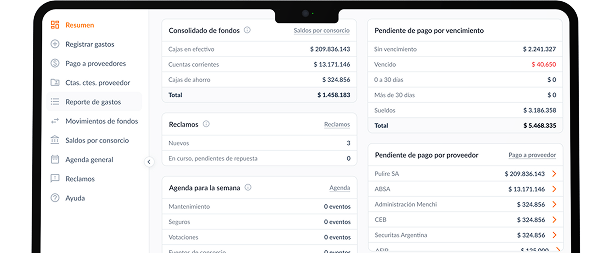
Properix administration interface, showing ConsorcioAbierto's business context.
Escala24x7

Integration · Sales operations

Connected opportunities between HubSpot and AWS

A two-way integration keeps opportunities updated in HubSpot and AWS Partner Central. Data is mapped to the fields required by each platform.

Sales and operations share opportunity tracking without manually duplicating each record. Changes in one platform are reflected in the other.

Two-way synchronization

HubSpot
Sales CRM
AWS
Partner Central

Up-to-date opportunities
across both platforms

How we work

Audit, design, implementation and support can be engaged separately. We start with what is already defined and agree on systems, data, deliverables and responsibilities before moving forward.

Check what can be connected

We review tools, permissions, limits, available documentation and your team's current data entry. We assess whether an existing connector is enough or a custom integration is needed.

Define how each piece of data should move

We agree on data sources, field mappings, direction and frequency of exchanges. We define what happens with incomplete data, duplicates or connection errors.

Connect and validate with representative data

We configure or build the agreed integration and test exchanges with your team. We verify typical workflows and defined exceptions before launch.

Support the integration in operation

We agree on monthly capacity to investigate incidents, maintain connections and handle minor adjustments. New systems or scope changes are assessed separately.

Frequently asked questions

Can you connect the tools we already use?

It depends on their integration capabilities, documentation, permissions and access limits. We review these conditions before committing to implementation. A tool without data access may require an alternative or limit the scope.

Do we need an integration built from scratch?

Not always. An available connector may handle some exchanges. We assess whether it covers the fields, rules and volumes you need; if it falls short, we define the additional configuration or development required.

Does data synchronize in real time?

Frequency depends on the process and system capabilities. We can define event-driven exchanges or scheduled runs. The proposal specifies this frequency and how integration status is reported.

What happens if data is incomplete or a connection fails?

We define what is validated and logged, when someone must intervene and how the exchange resumes. If data cleanup or migration is also needed, we define that work within the scope.

What determines the budget and timeline?

The number of systems and data types, transformation rules, frequency, volume and exceptions. Available documentation and test environments also matter. The proposal lists deliverables, schedule and license or infrastructure costs separately.

Let's talk about the information you enter more than once

Bring a specific need or an integration that needs improvement.

Tell us which systems you use, where each piece of data originates and who needs it. Let's assess which connection could eliminate that manual entry.

Tell us what you need
Case study or service text · Page design pending